Conquer Your Finances: Master Your Yearly Budget
Take control of your money with our step-by-step guide to planning a successful yearly budget. Learn essential budgeting techniques and achieve your financial goals!
Master Your Money: A Year-Long Budget Plan
Setting Realistic Financial Goals

Define your short-term and long-term financial goals. Prioritize needs versus wants to create a balanced and achievable plan for the year.
Effective Expense Tracking
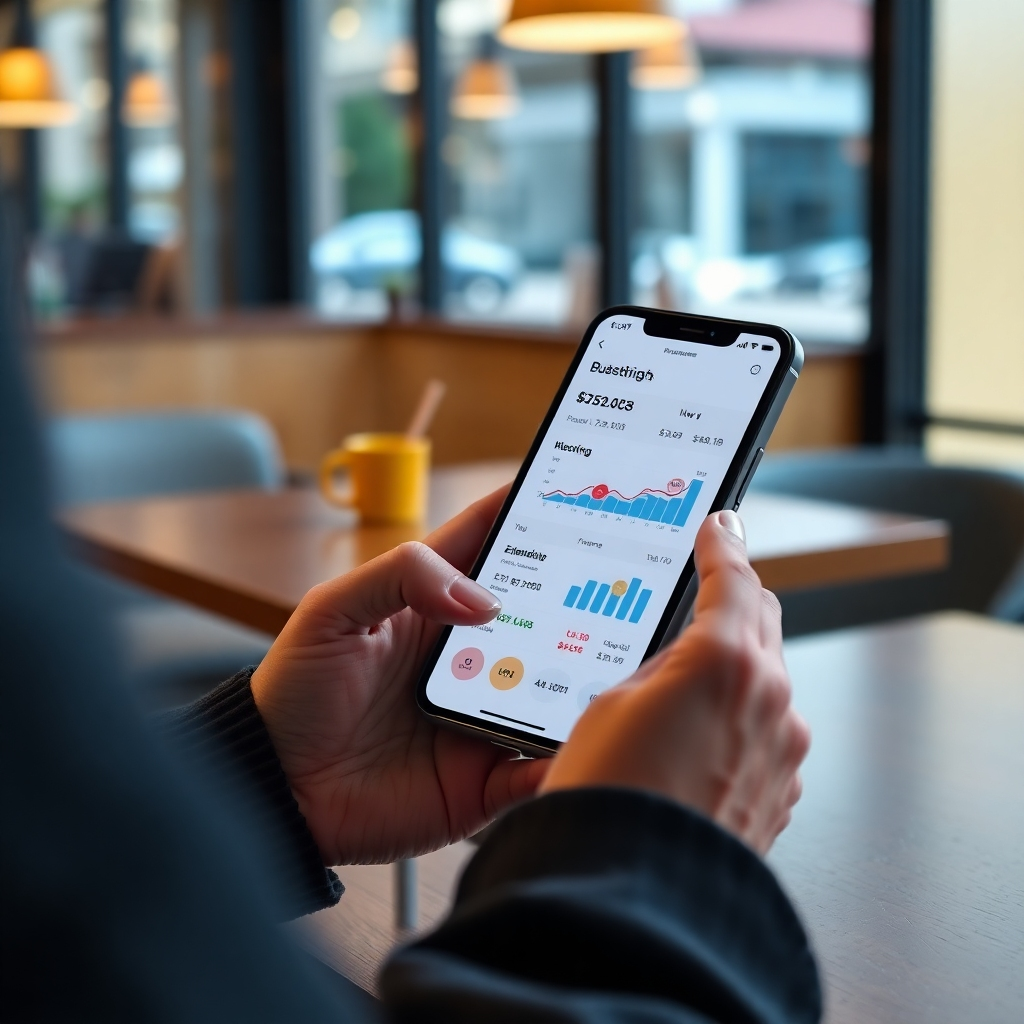
Use budgeting apps or spreadsheets to monitor your income and expenses. Categorize spending to identify areas where you can cut back and save more.
Identifying and Reducing Unnecessary Spending

Analyze your spending habits to find areas for improvement. Identify recurring expenses and explore ways to lower costs without sacrificing your lifestyle.
Conquer Your Finances: Step-by-Step Budget Guide

Set Realistic Financial Goals
Define your short-term and long-term financial aspirations. Knowing your goals helps prioritize spending and saving.
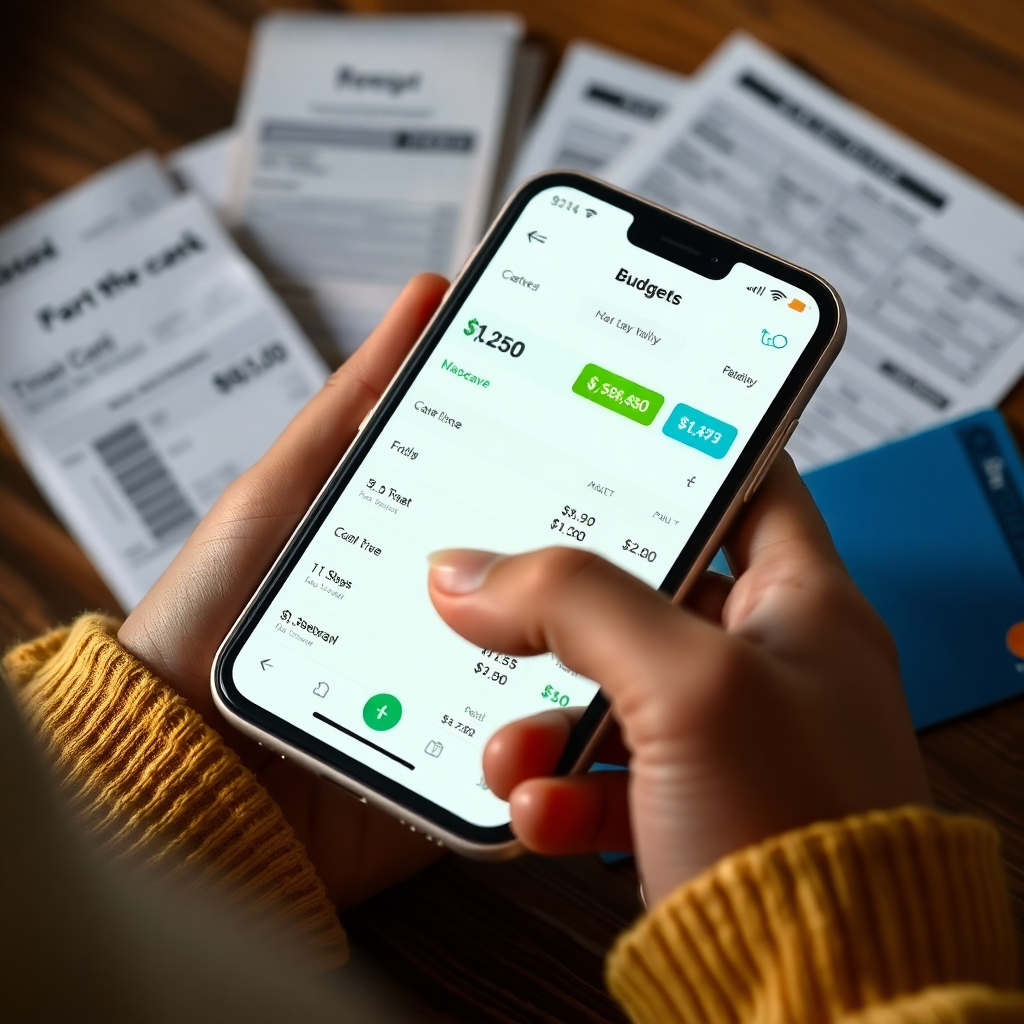
Track Your Expenses Effectively
Monitor your spending habits to identify areas where you can cut back and make informed financial decisions.
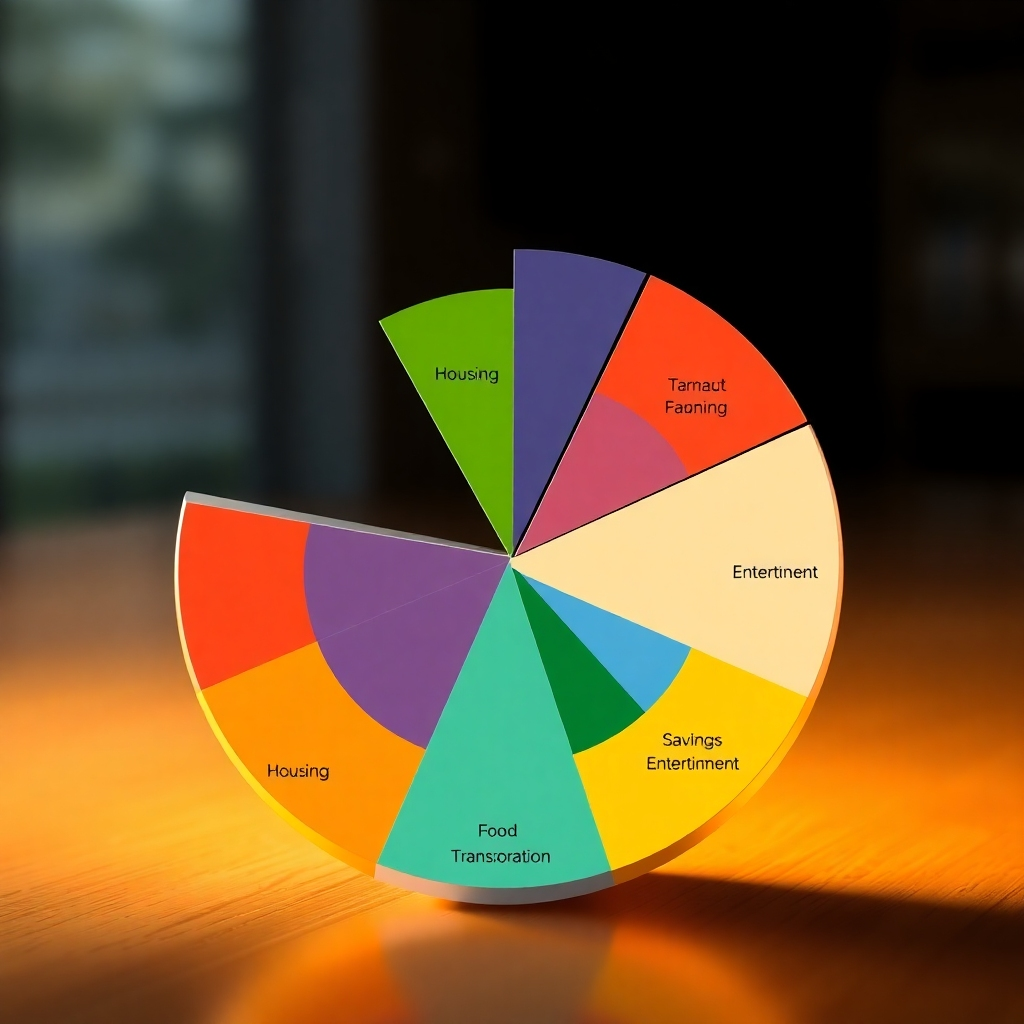
Create a Balanced Budget
Allocate your income strategically across essential expenses, savings, and discretionary spending to achieve financial stability.
Financial Freedom Starts Here: Your Yearly Budget Blueprint
Set Clear Financial Goals
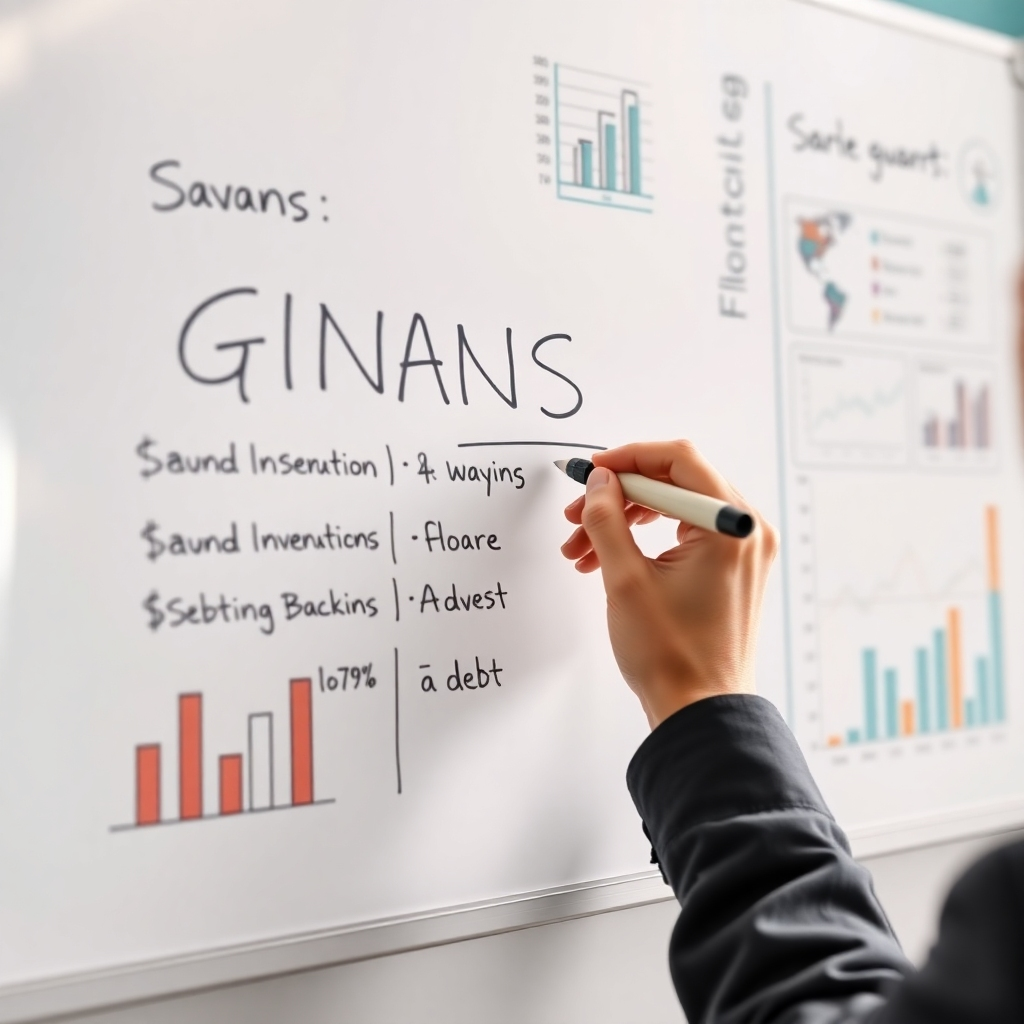
Define your short-term and long-term financial aspirations. Knowing what you want to achieve helps focus your budgeting efforts.
Track Your Expenses Closely

Monitor where your money goes by using budgeting apps or spreadsheets. This awareness is crucial for identifying areas to cut back.
Create a Realistic Budget
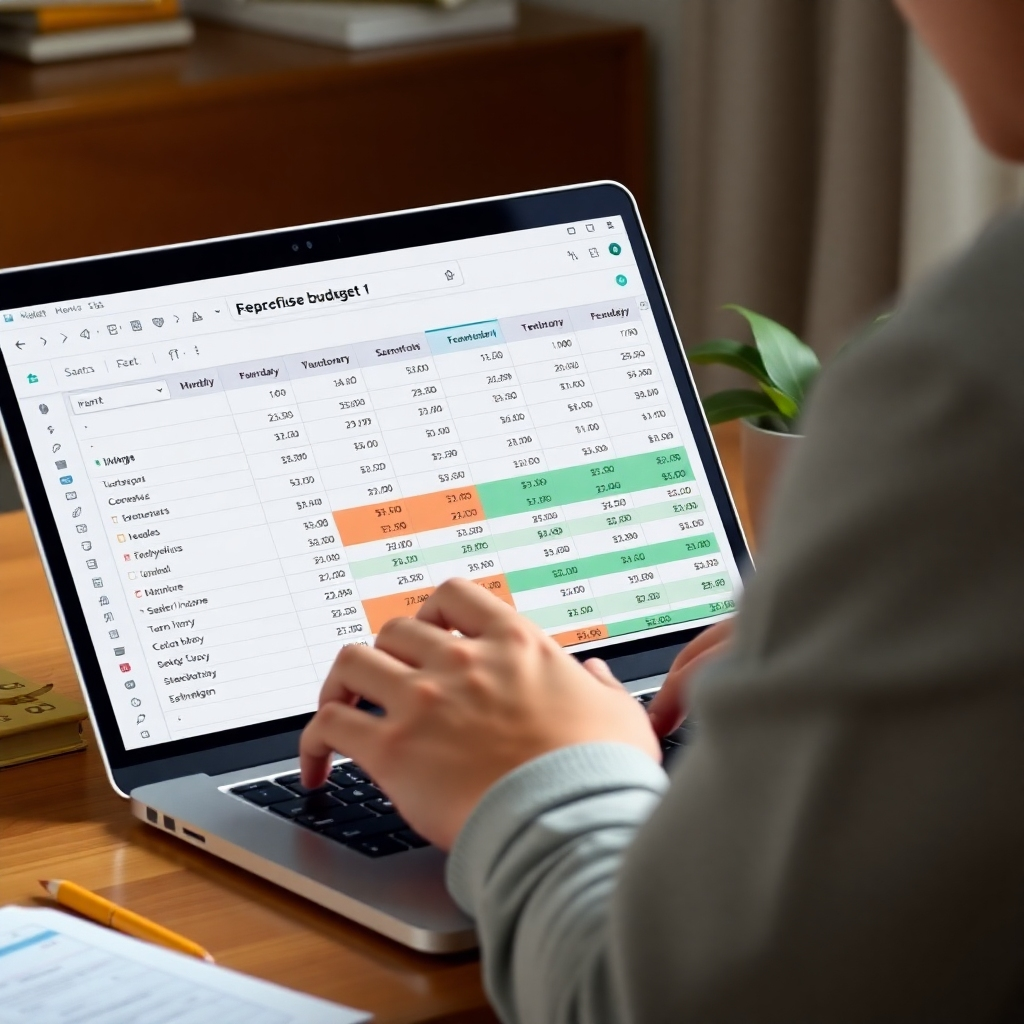
Allocate funds to essential expenses, savings, and debt repayment. Ensure that your budget aligns with your income and goals.




Ready to take control of your finances in 2025? Download our free guide, "SAITS4U How to Plan a Budget for the Year," and learn practical strategies to budget effectively.
.png)
SAITS4U How to Plan a Budget for the Year
"We... Say IT'S 4 U"
© Copyright 2025
Website by SAITS4U GLOBAL, LLC | 127 Goldsboro St. S., Wilson, NC. 27893
1.800.291.2116 | www.saits4u.com